March 18, 2026
Building a deck represents a significant investment that affects your home's value, outdoor living enjoyment, and property aesthetics for decades, making thorough planning essential before contacting contractors. Many homeowners rush into deck projects without adequately considering size requirements, material options, local regulations, budget realities, or how they'll actually use their outdoor spaces. The difference between decks that perfectly serve your needs and those that disappoint often comes down to planning thoroughness before construction begins, rather than fixing problems after builders have already started work. Understanding critical considerations before engaging contractors helps you communicate effectively, make informed decisions, and ensure your deck project delivers lasting satisfaction. The preparation you invest before calling builders directly influences project success, final costs, and whether your completed deck truly enhances your outdoor living experience as you envisioned.
Understanding Local Building Codes and Permit Requirements
According to the North American Deck and Railing Association, it's estimated that 30 million decks are past their useful life and need to be replaced or repaired. Before contacting any deck building service, research your municipality's building codes, setback requirements, height restrictions, and railing specifications that govern deck construction. Many areas require permits for decks above certain heights or sizes, and some neighborhoods have homeowner association rules imposing additional restrictions beyond government regulations. Understanding these requirements before planning helps you design compliant decks rather than discovering code violations after construction that require expensive modifications. Professional builders should know local codes, but educated clients who understand regulations can have more productive conversations and make better decisions about designs that comply while meeting their needs.
Establishing a realistic budget before contacting contractors helps you focus on achievable projects rather than wasting time planning elaborate decks you cannot afford to build. Deck costs vary dramatically based on size, materials, complexity, and site conditions, with basic pressure-treated wood decks costing far less than composite or exotic hardwood installations. Understanding financing options, including home equity loans, personal loans, or contractor financing programs, helps you determine how much deck you can actually afford. Being honest about budget constraints when consulting with a deck building service allows them to recommend appropriate materials and design choices that deliver the deck you want within financial limits rather than proposing elaborate projects exceeding your means.
Deciding How You'll Actually Use Your Deck
Different deck uses require different designs, sizes, and features that affect planning and ultimately determine whether completed decks truly serve your needs effectively. Decks primarily for dining require adequate space for tables and traffic flow, while entertaining spaces need larger areas accommodating furniture groupings and guest circulation. Outdoor kitchens demand specific layouts supporting cooking equipment, prep surfaces, and utility access for gas, water, and electricity. Hot tubs require structural reinforcement supporting substantial weight that standard deck framing cannot handle safely, making usage planning critical before design begins.
Deck materials range from economical pressure-treated lumber to premium composites and exotic hardwoods, each offering different advantages regarding cost, maintenance, longevity, and aesthetics. Pressure-treated wood costs least initially but requires regular staining or sealing to prevent deterioration and maintain appearance throughout its service life. Composite decking costs more upfront but needs virtually no maintenance and resists rot, insects, and weathering that damage wood over time. Understanding these material trade-offs before consulting with a deck building service helps you make informed decisions, balancing initial costs, ongoing maintenance, longevity, and aesthetic preferences that align with your priorities and lifestyle.
Assessing Your Property's Specific Conditions
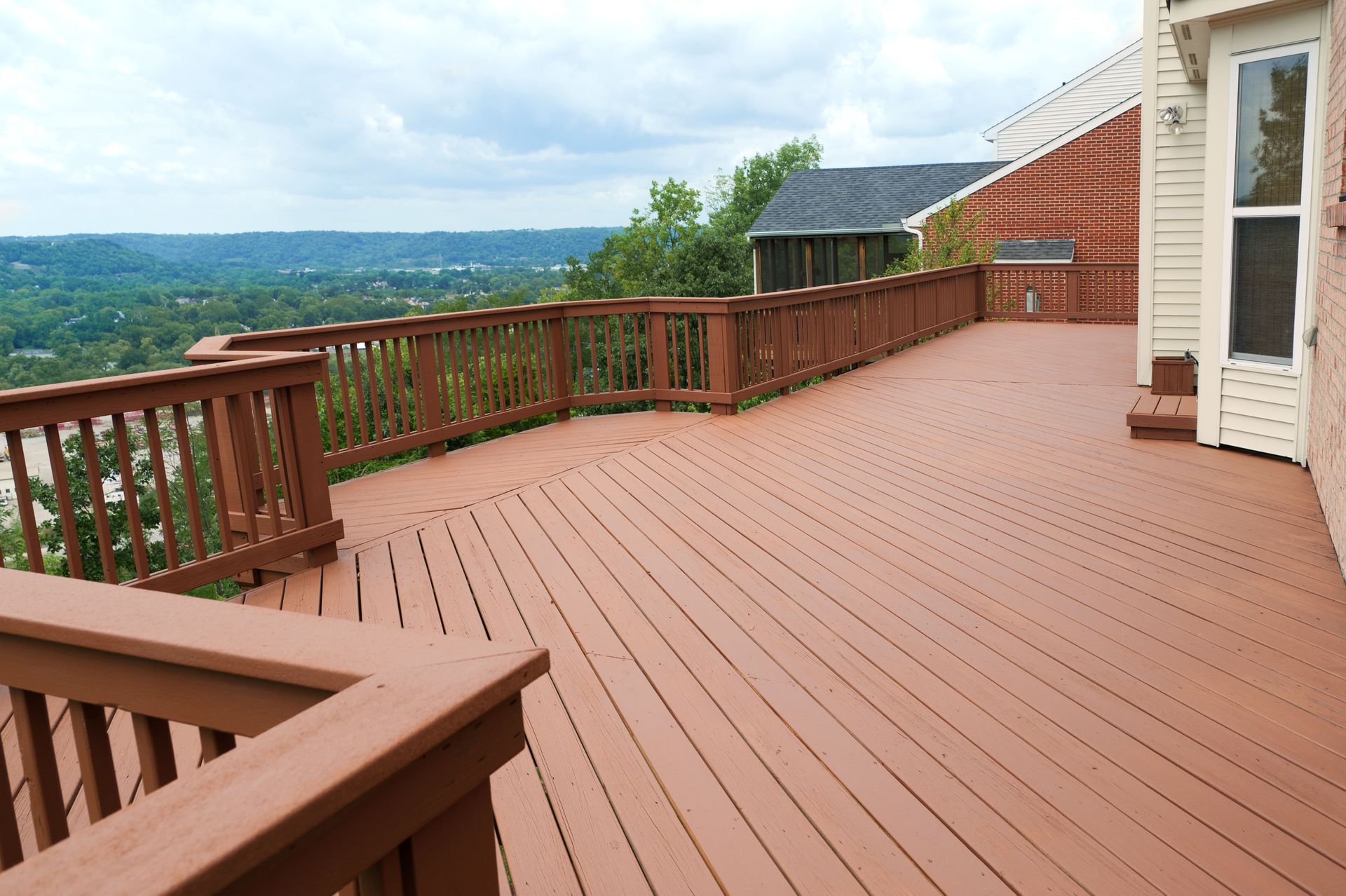
Site conditions, including slopes, soil types, drainage patterns, and existing landscaping, significantly affect deck design, construction methods, and total project costs. Steeply sloped yards require taller support posts, more complex framing, and potentially more expensive foundations than level lots where decks sit close to ground level. Poor drainage areas need solutions to prevent water accumulation under decks that could cause structural problems or create mosquito breeding areas. Existing trees, utility lines, or landscaping features may limit placement options or require working around obstacles that affect design and increase construction complexity and costs.
Many homeowners build decks too small for their actual needs, discovering after completion that cramped spaces don't accommodate furniture, activities, and traffic flow comfortably. Careful space planning, considering furniture dimensions, traffic patterns, and activity zones, helps you determine appropriate deck sizes that truly serve your needs. A deck building service can help you visualize how different sizes accommodate your planned uses and whether your initial size estimates provide adequate room for comfortable outdoor living. Remember that outdoor furniture requires more space than it appears when you're looking at empty deck areas, and adequate circulation space around furniture groupings is essential for comfortable use.
Understanding Connection to Your Home
How your deck connects to your house affects functionality, aesthetics, and structural requirements that influence design and construction approaches. Door locations and heights determine where decks attach to homes and what elevation changes may be necessary for proper drainage and code compliance. Some homes benefit from multiple access points, while others work best with single, large doorways, creating seamless indoor-outdoor transitions. Understanding these connection requirements helps you plan deck layouts that integrate naturally with your home rather than appearing as awkward additions that don't relate properly to interior spaces or exterior architecture.
Planning for potential future additions or modifications during initial construction costs far less than retrofitting decks later when your needs change, or your budget allows enhancements. Building foundations and framing that can support future roof additions, screen enclosures, or deck extensions provides flexibility without requiring structural modifications later. A professional deck building service can design initial construction accommodating likely future expansions while keeping current costs within budget by building expandable structures rather than complete installations. This forward-thinking approach ensures your deck can grow with your needs without requiring expensive reconstruction when you're ready for enhancements that weren't initially affordable.
Evaluating Contractor Credentials and Experience
Before hiring anyone, verify they hold proper licenses, carry adequate insurance, and can provide references from recent projects similar to yours in scope and complexity. Review portfolios showing completed work to ensure their construction quality and design aesthetics match your expectations and standards. Check online reviews, Better Business Bureau ratings, and local references to identify patterns in customer satisfaction or recurring complaints about quality or service. Established deck building service providers welcome these inquiries and readily provide documentation and references demonstrating their qualifications, while questionable operators become evasive when asked to verify credentials or provide proof of insurance and licensing.
Deck construction timelines vary based on project complexity, weather conditions, permit processing, and contractor scheduling, which affect when work actually begins and completes. Simple ground-level decks may take only days to build, while complex multi-level structures with custom features require weeks from start to finish. Understanding realistic timelines helps you plan around construction disruption and set appropriate expectations rather than being disappointed by delays that are actually normal for your project scope. Discussing timeline expectations with a deck building service during initial consultations helps you understand when work can realistically begin and how long completion will take based on their current workload and your project's complexity.
Thorough planning before contacting deck builders ensures you communicate effectively, make informed decisions, and ultimately receive decks that truly enhance your outdoor living rather than creating disappointment through poor planning or unrealistic expectations. The time invested in understanding codes, evaluating materials, determining uses, and establishing budgets pays enormous dividends through better project outcomes and avoided mistakes that proper preparation prevents. Educated clients who understand their needs and constraints have far more productive relationships with contractors and achieve better results than those who approach projects without adequate planning or clear priorities. Whether you need custom deck services, garage and carport construction, patio cover installation, custom railing installation, or wood fence installation, Three 60 Decks serves hundreds of satisfied customers, is fully licensed and insured, and provides free estimates. For more information, contact us today!